Sep 26 2019 - Sep 26 2019
The Archaeological Museum
📢 Visitor Notice
The Archaeological Museum of Durrës is currently closed to the public due to ongoing reconstruction and restoration works. This temporary closure is part of a major effort to preserve and enhance the museum’s facilities and collections. We apologize for any inconvenience and appreciate your understanding as we work to improve the visitor experience. We look forward to welcoming you back once the works are completed. Thank you for your patience and support.
The Durrës Archaeological Museum
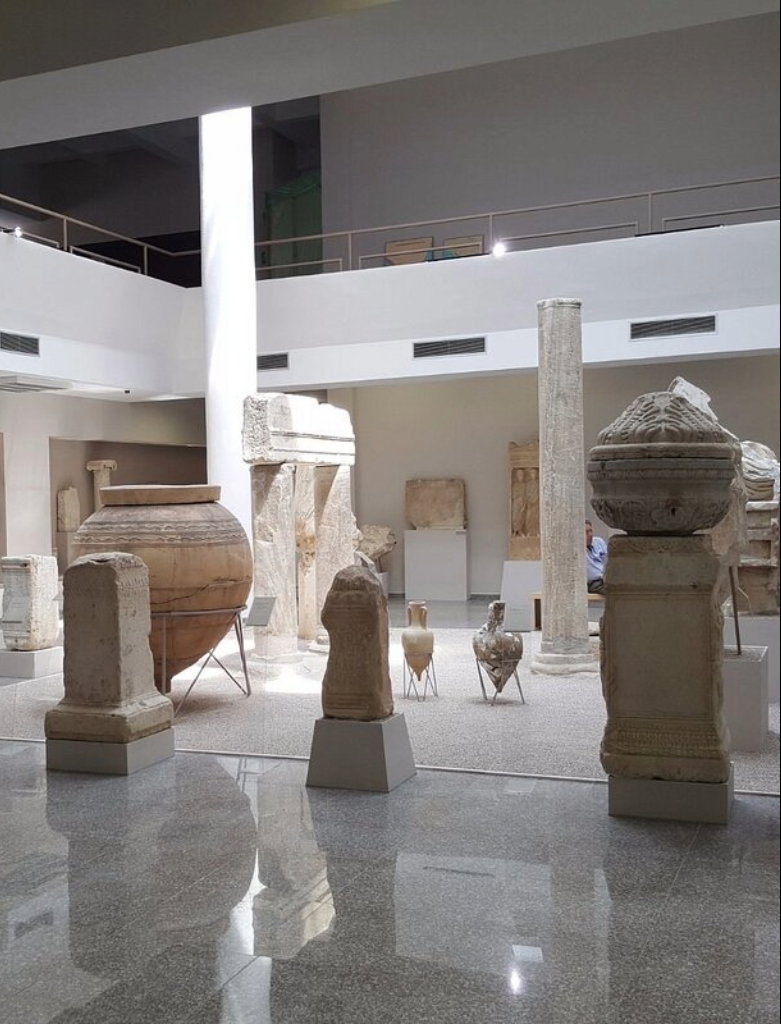
The Durrës Archaeological Museum offers a thorough overview of the ancient city’s intriguing history over the centuries. The largest of its kind in the country, it displays many of the discovered treasures in Durrës — a city often referred to as an underground museum. The collection has grown to over 3,000 items and is routinely expanded with fresh discoveries, including artifacts from the Dyrrha of 3000 B.C., the Greek colony of Epidamnus, the Hellenistic and Roman eras, and the Illyrian period, which has the greatest bearing on Albanian history. The museum first opened in 1951 and moved to its current location on Taulantia (Tah-ooh-lahn-tya) Street in 2015.
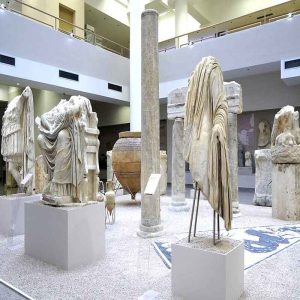
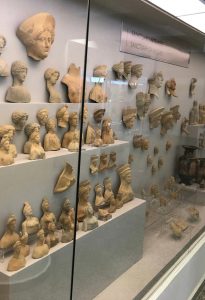
This is a significant name: the Taulantii were one of the earliest known Illyrian tribes and were once at the center of the ancient city. Visitors to the museum are welcomed by an impressive statue of Gaea, the goddess of the earth and fertility. Inside, galleries, gardens, and pavilions display numerous ancient sculptures, including Nero’s marble torso and clay miniature statues of Artemis and Aphrodite. The exhibits cover a wide range of history, from prehistoric stone and iron artifacts to delicate pottery from the 4th century B.C. and the Hellenistic era’s cultural and economic boom.
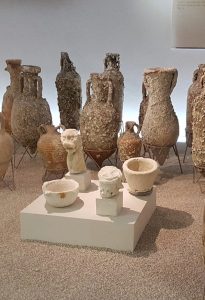
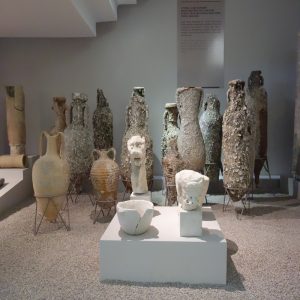
The Prehistory Pavilion showcases metal axes, stone hammerheads, ship anchors, and amphorae used in recreating the Dyrrhachium of 3,000 years ago. The museum also features artifacts from the Archaic, Classical, Illyrian, Ancient Greek, and Hellenistic eras, including exquisite jewelry and statues. Particularly noteworthy are the ceramic works from the Hellenistic period, decorated with figures and geometric patterns, and fragments of figurines depicting Artemis. The museum also houses an extensive collection of ancient coins and the former treasury of Dyrrhachium dating back to 170 A.D., which provide insight into the city’s ancient economy.
The remaining pavilions focus on the development of Durrës as a political and administrative center throughout its long history — from its beginnings as an urban center in the 7th century B.C., to its role as a stop along the Via Egnatia, through the Byzantine, Venetian, and Ottoman periods. The exhibits also explore the rise and development of monotheistic religions in Durrës. From early Christianity to the conversion to Islam during the Ottoman occupation, Durrës dwelled between East and West — a position beautifully mirrored in the arts and cultural expressions of the region. A wide time frame, from Islamic art to the socialist period, vividly covers the most dynamic aspects of life in the city.