Museum Durrës
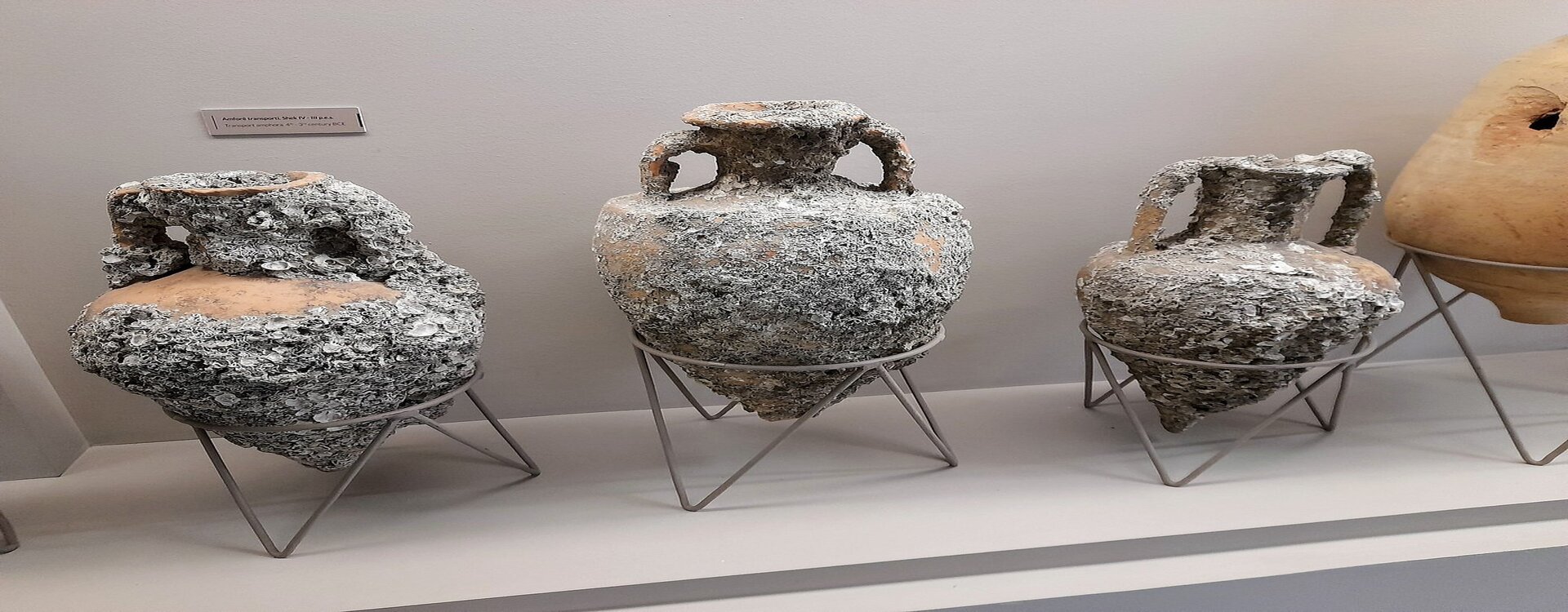
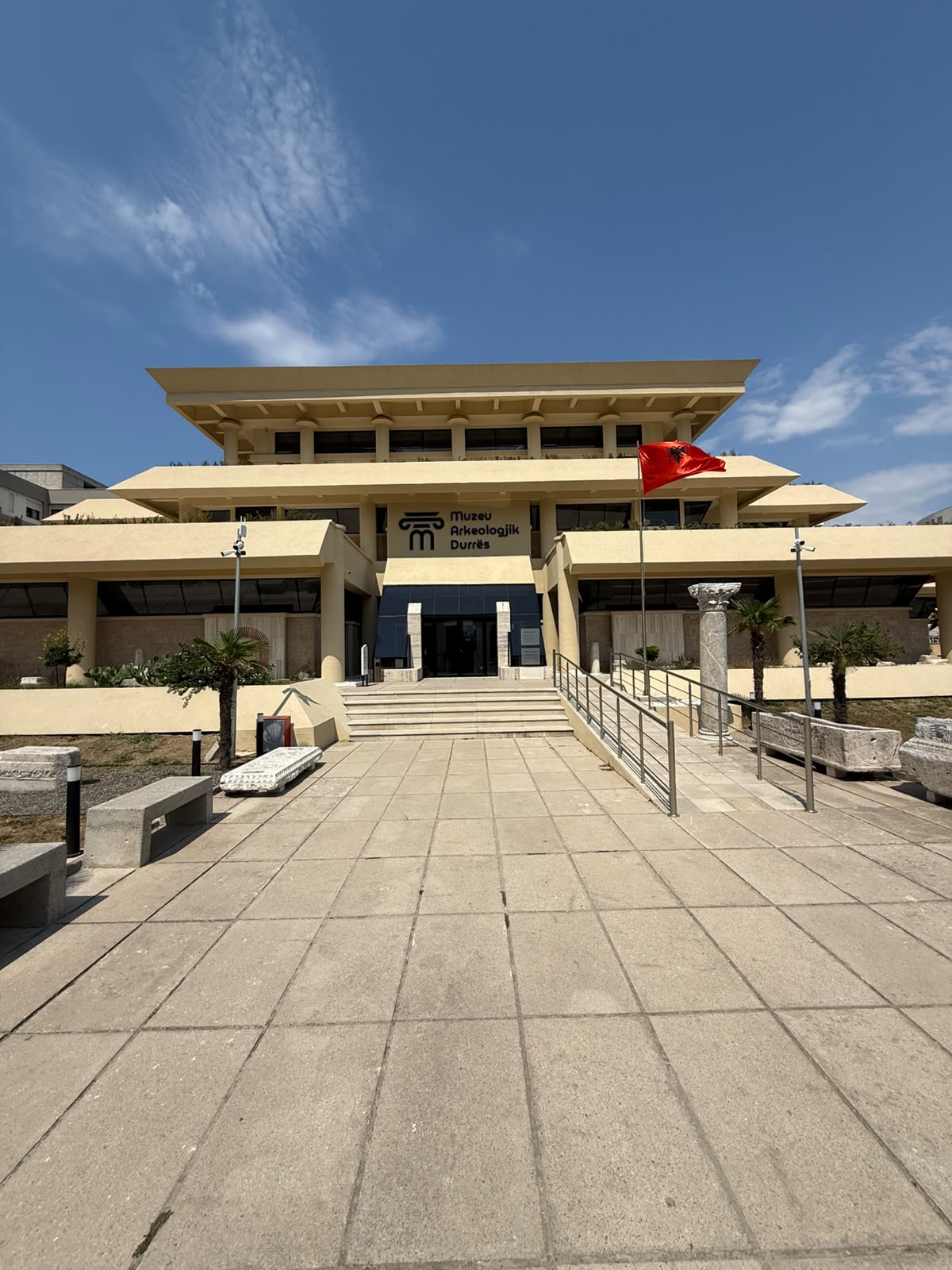
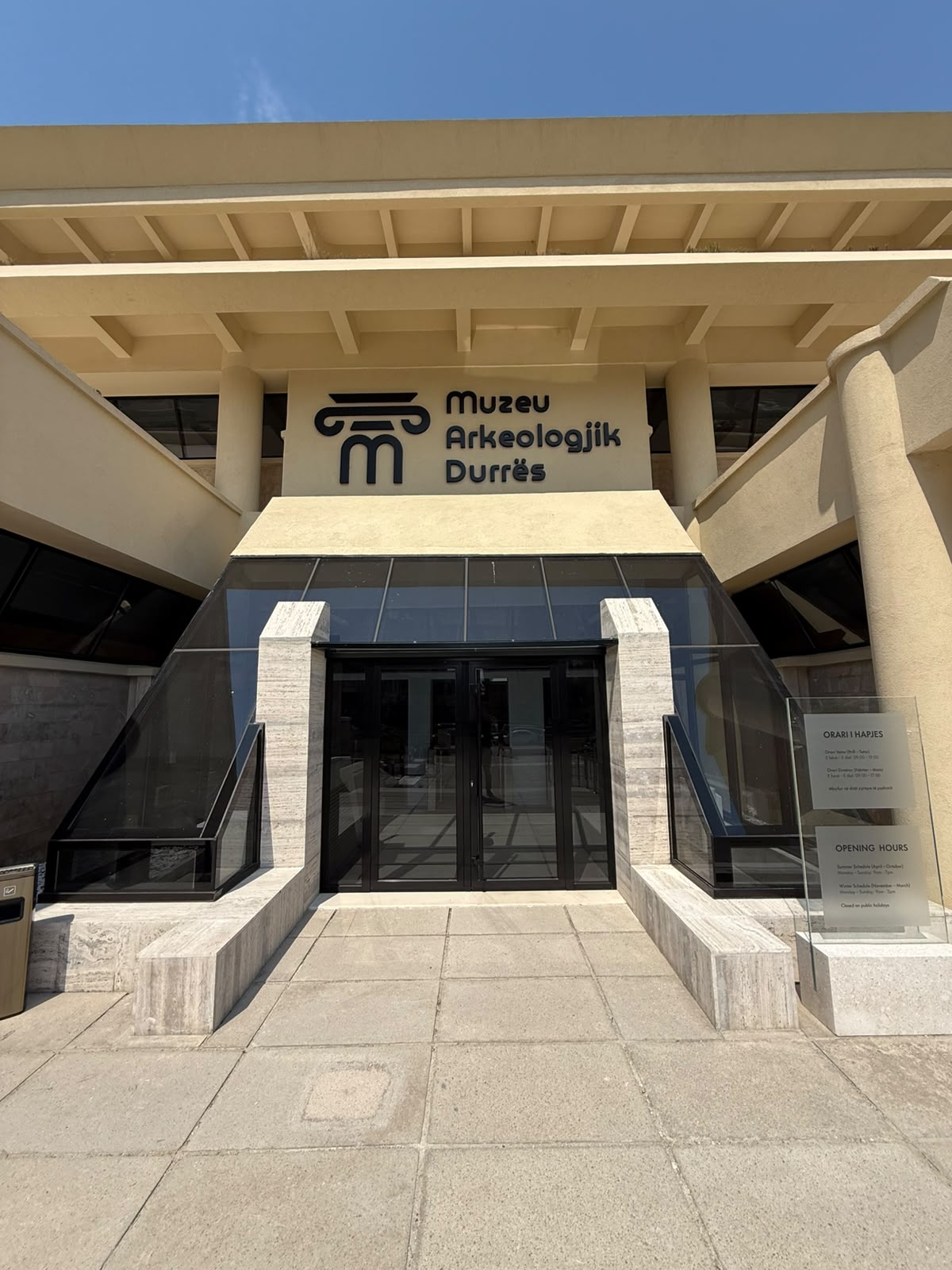
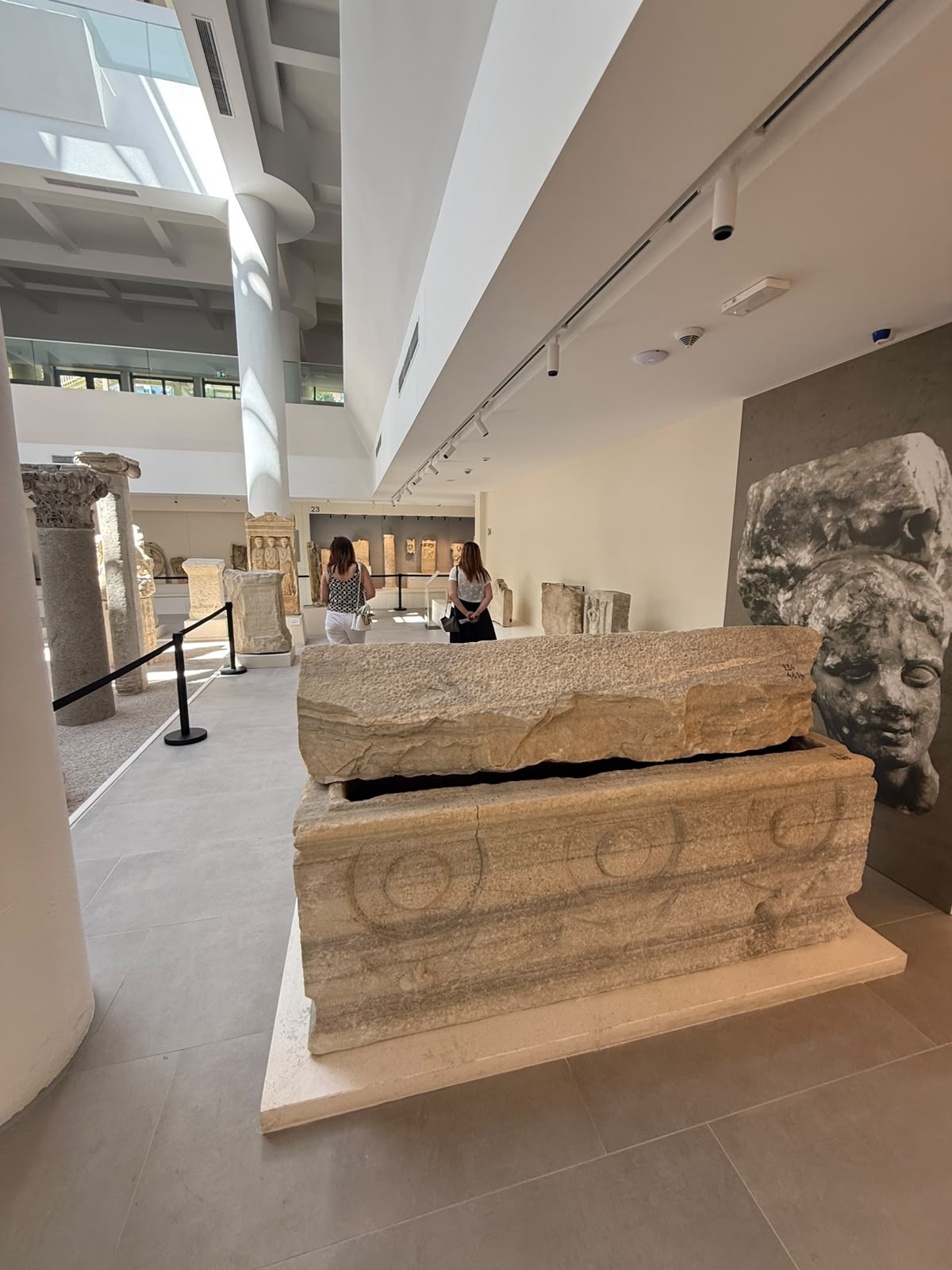
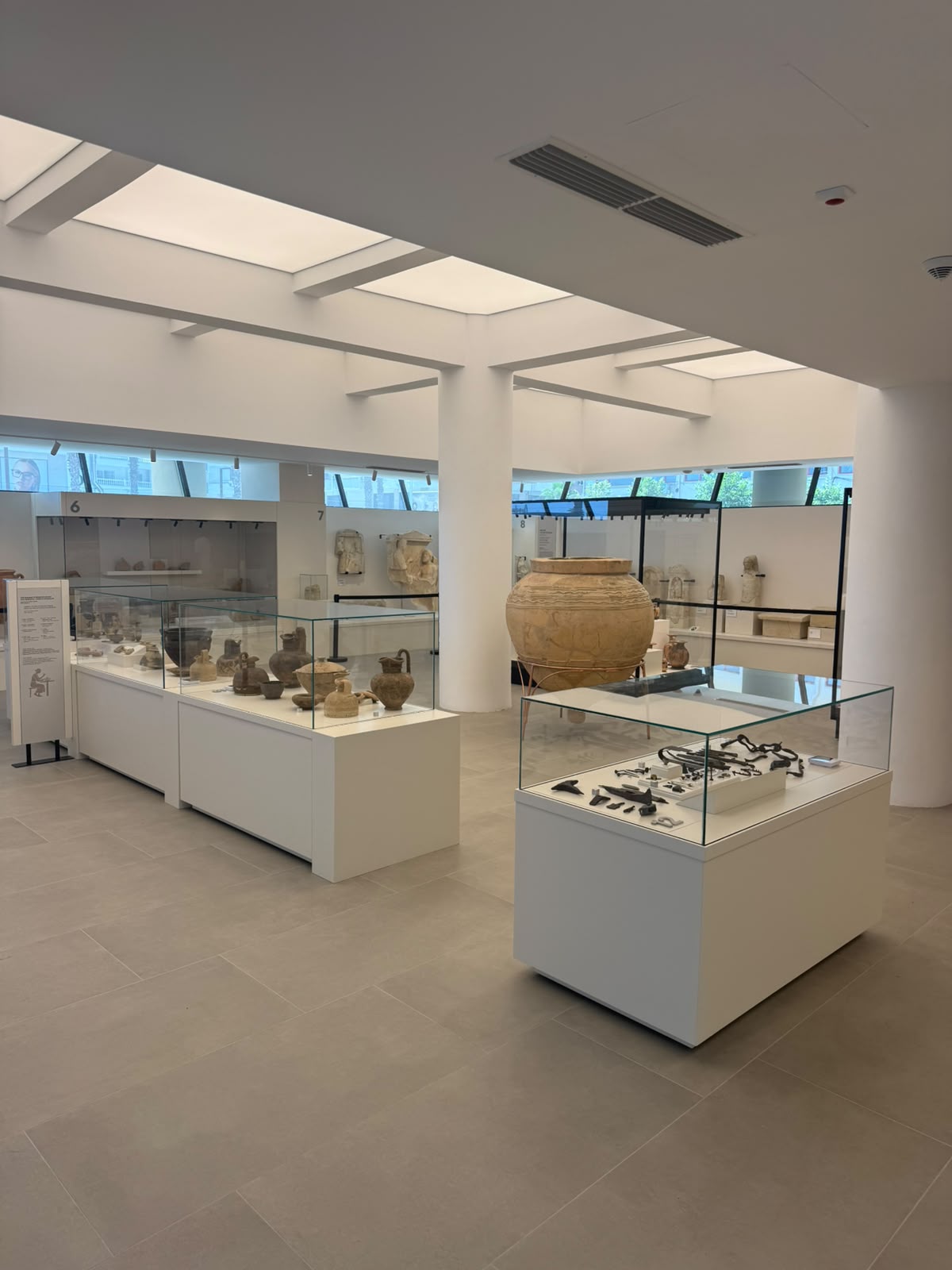
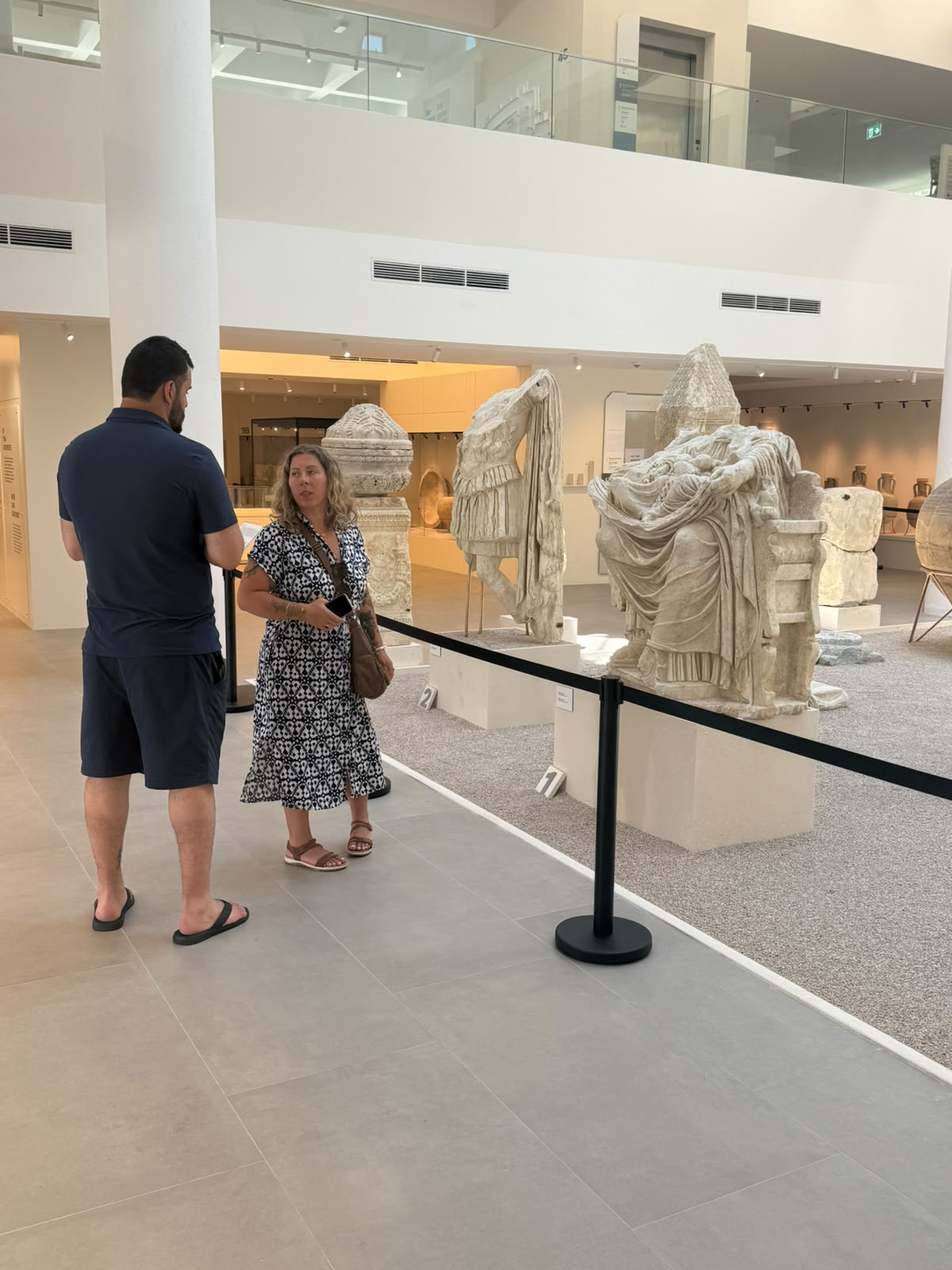
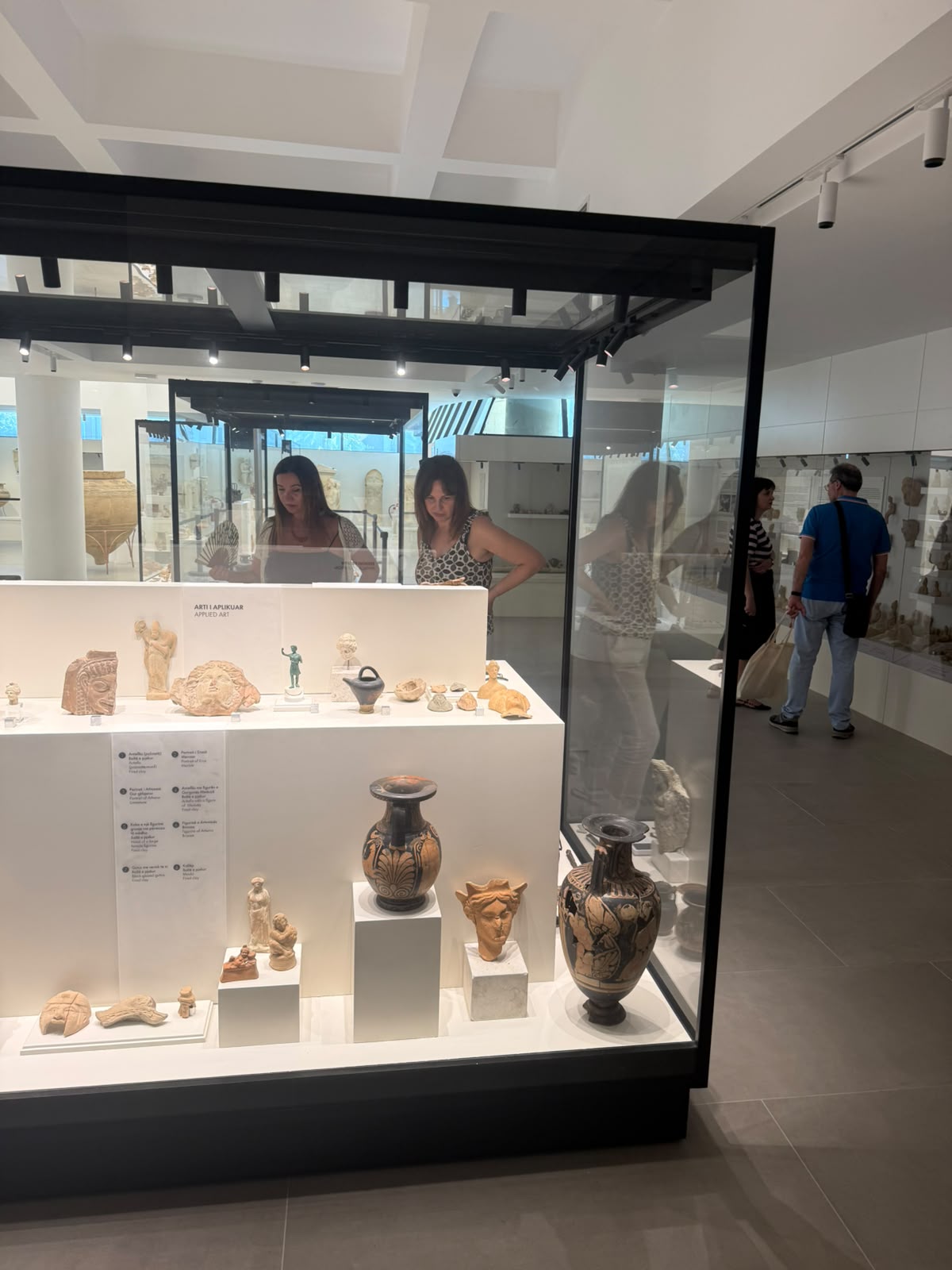
The Durrës Archaeological Museum is the largest of its kind in Albania, offering a comprehensive overview of the city’s ancient history through the centuries. Located on Taulantia Street since 2015, the museum holds over 3,000 artifacts discovered in Durrës — a city often referred to as an “underground museum.”
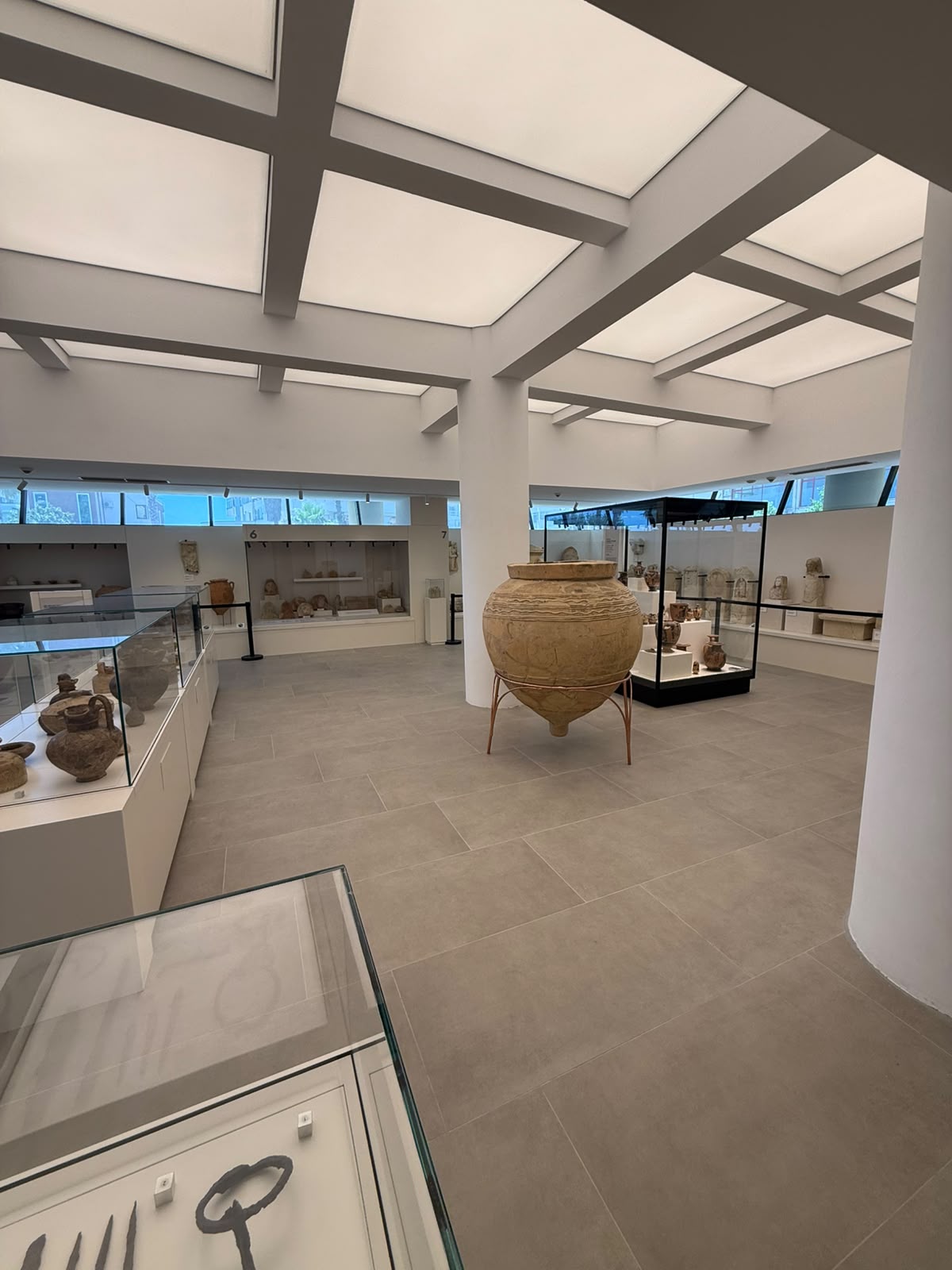
The collection includes objects from 3000 B.C. Dyrrhachium, the Greek colony of Epidamnus, and the Hellenistic, Roman, and Illyrian periods. Visitors are welcomed by a statue of Gaea and can explore exhibits featuring sculptures, ceramics, amphorae, coins, and ancient jewelry. The museum’s pavilions trace the development of Durrës as a political, economic, and religious center, from antiquity to the Ottoman and socialist periods.
It offers a unique cultural experience that connects East and West through the city’s rich history, art, and heritage.
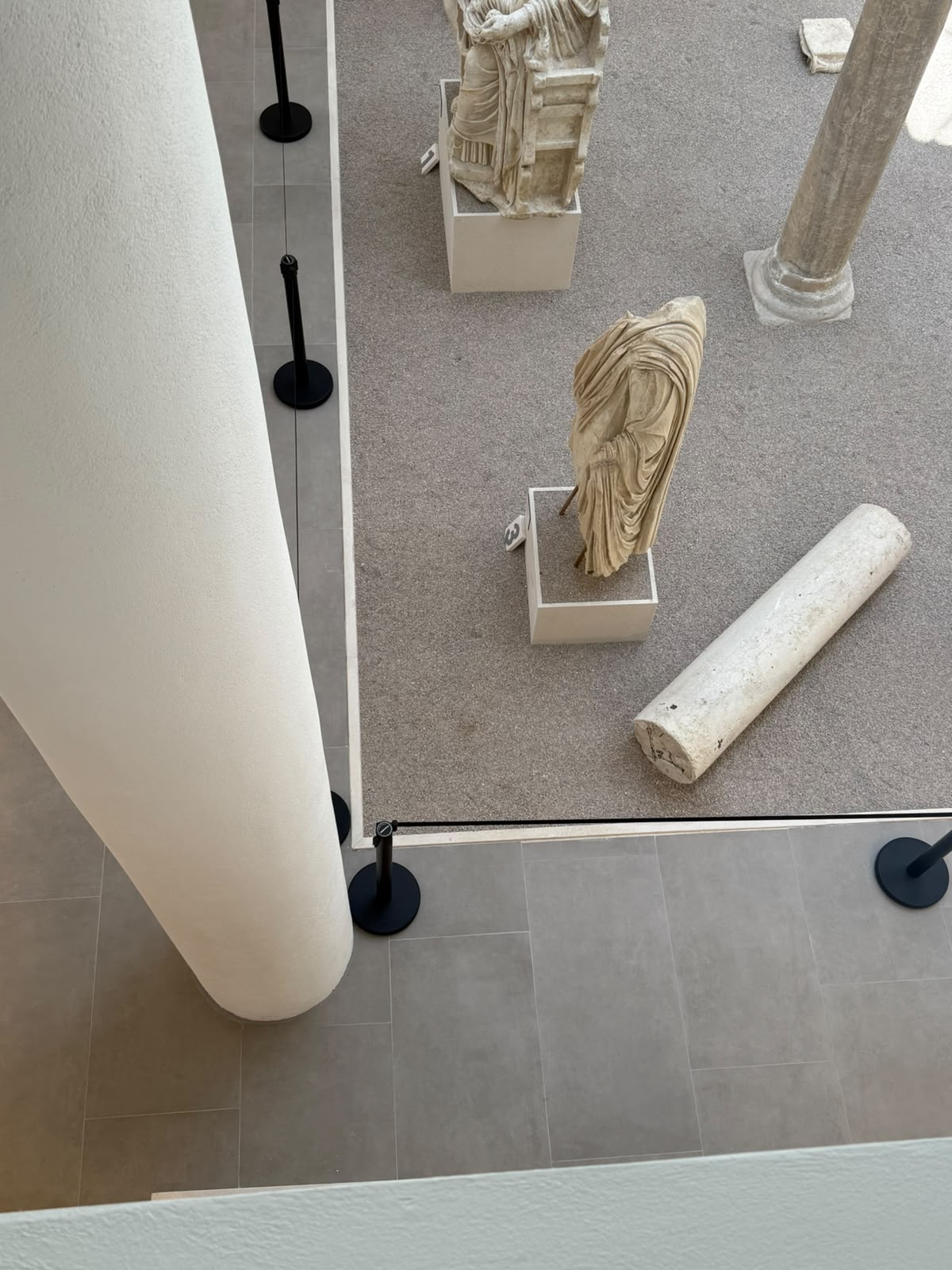
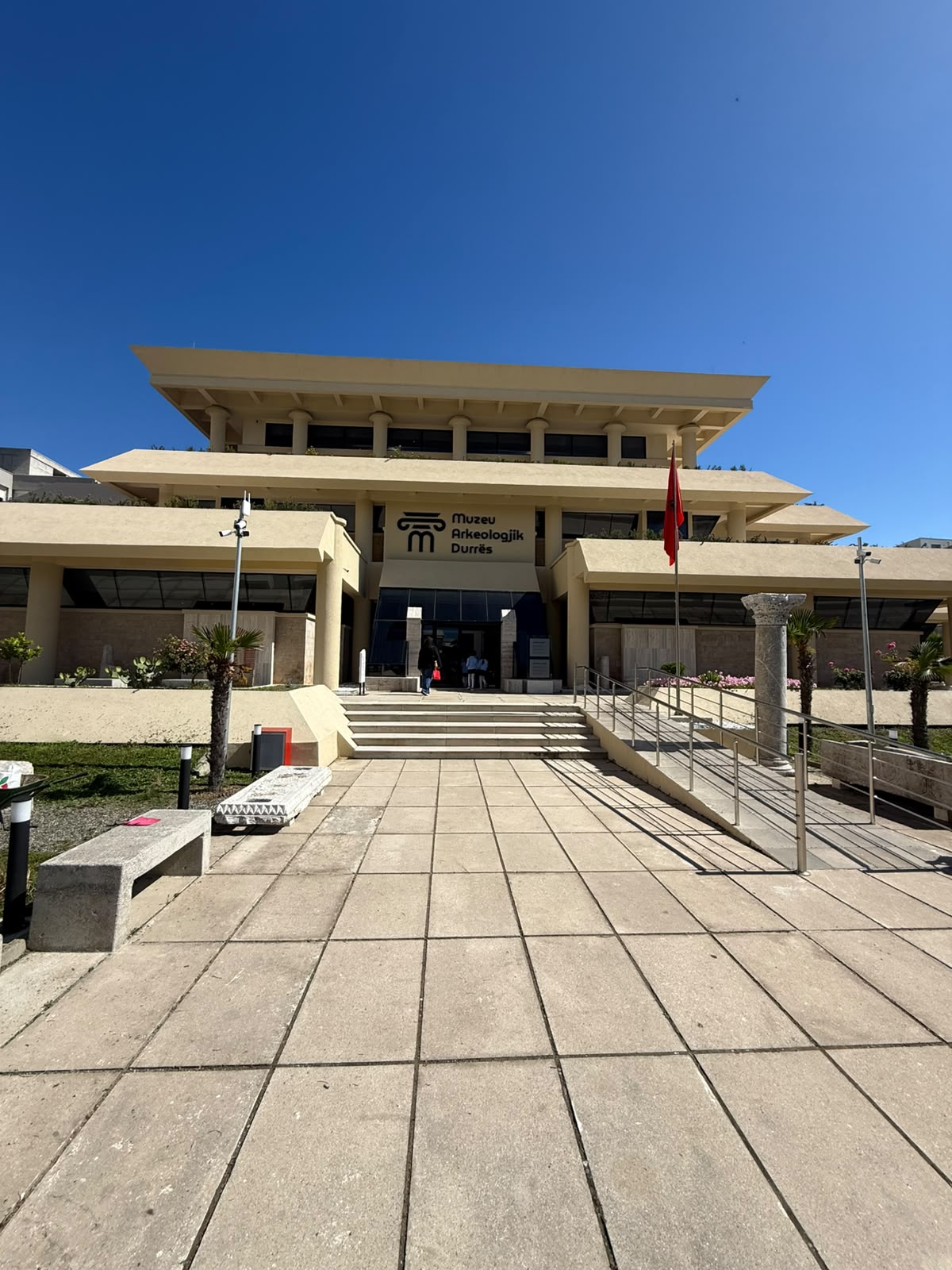
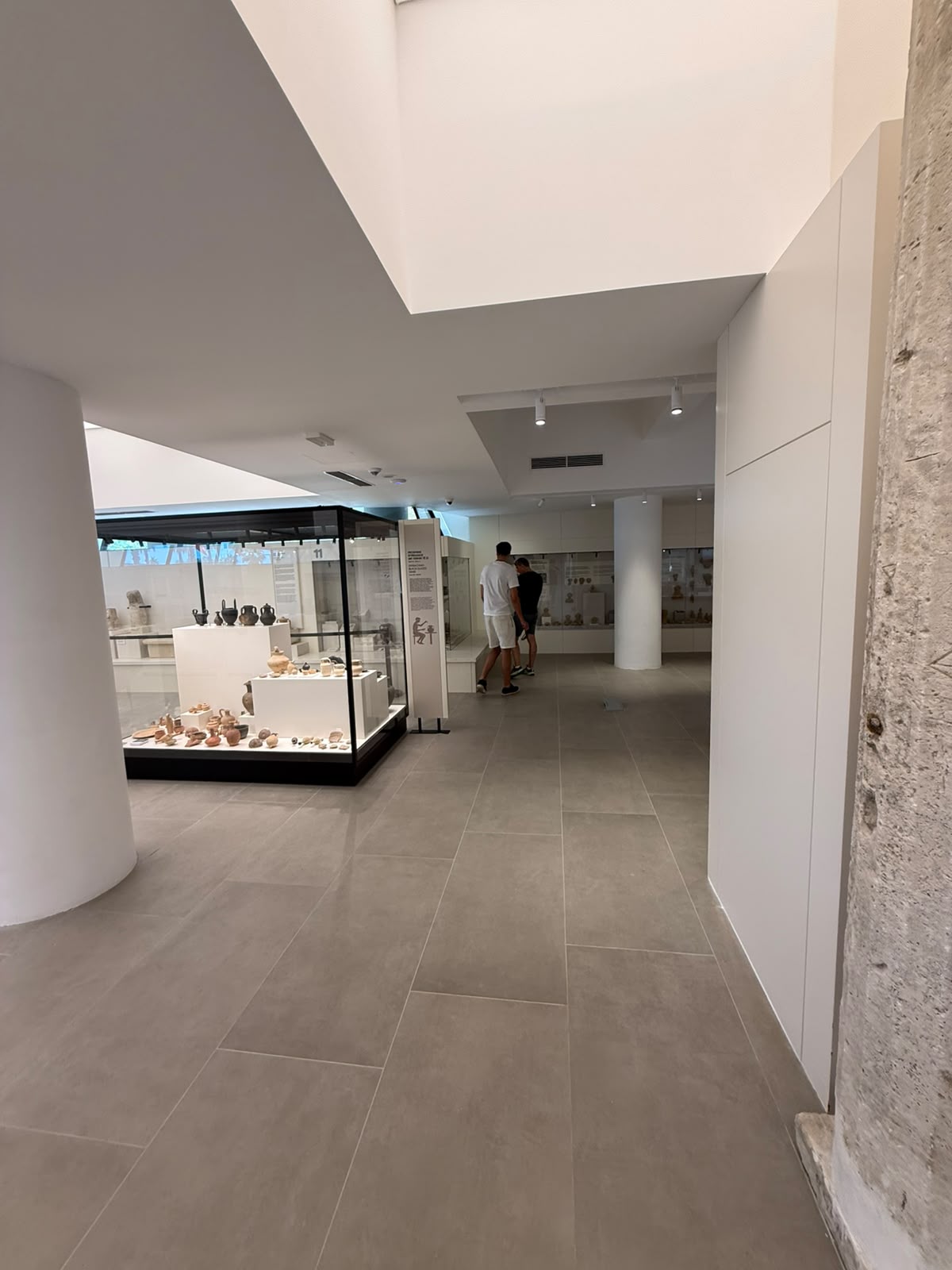
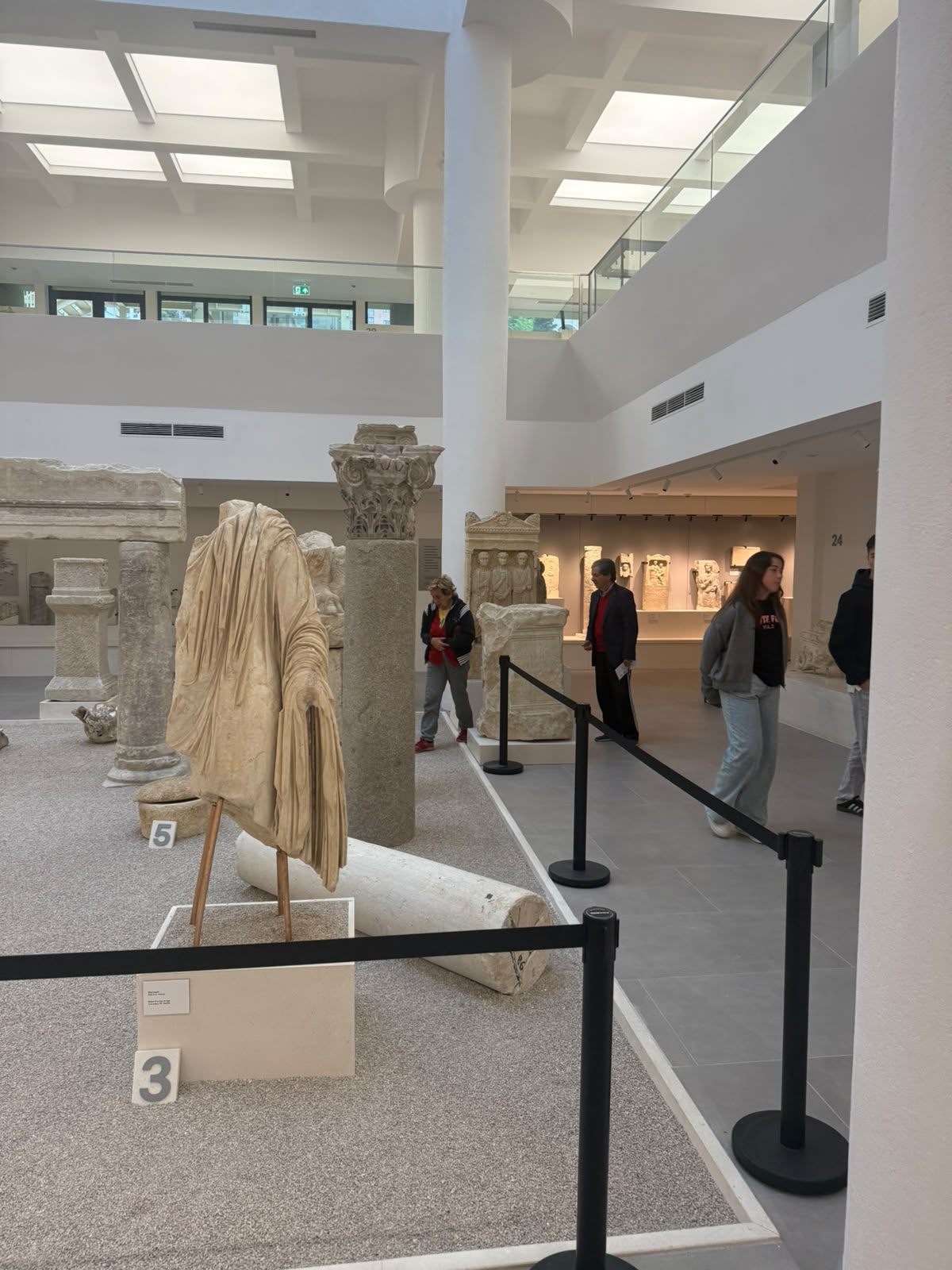
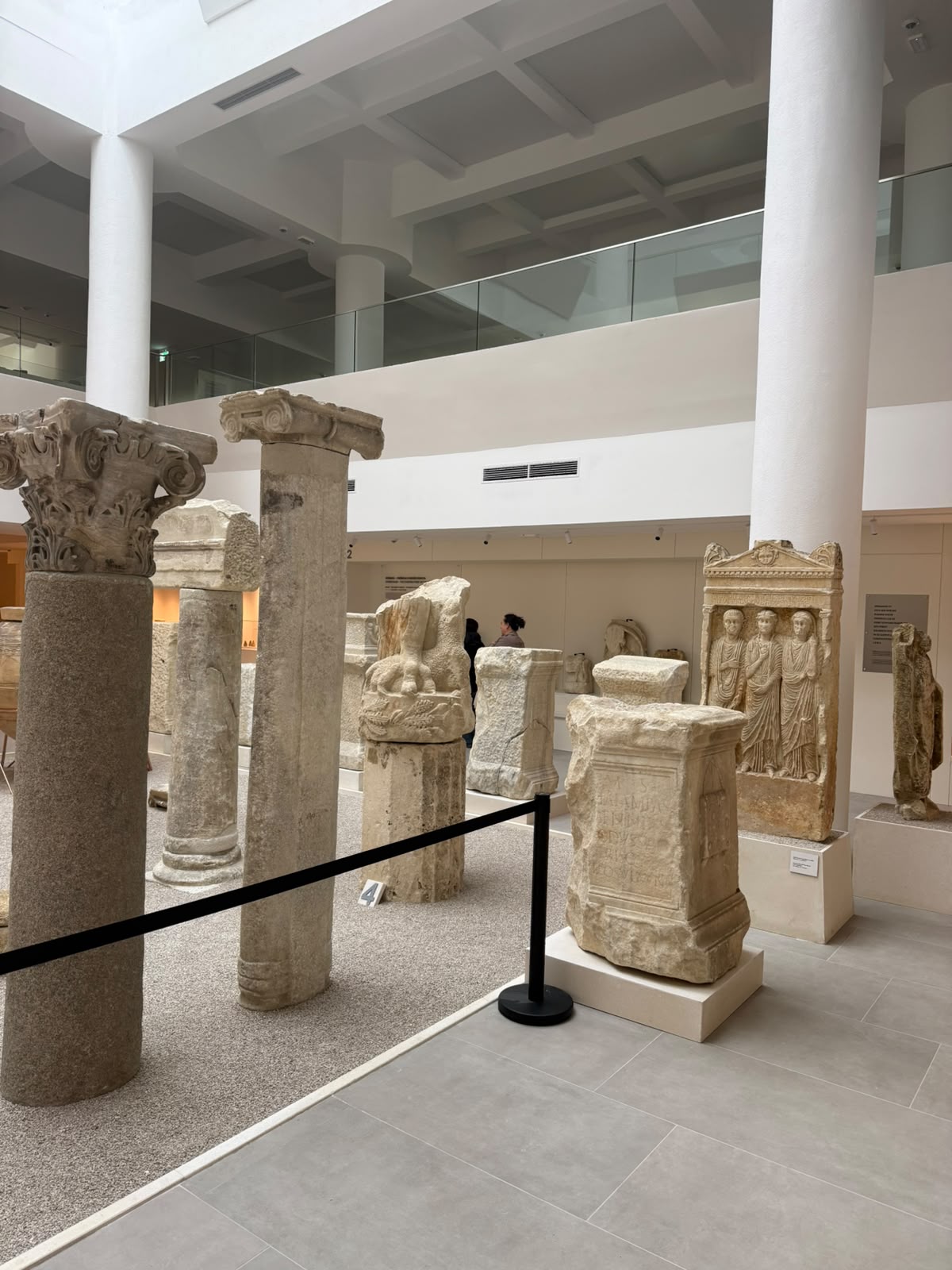
Journey Through Centuries of Ancient Durrës
Discover artifacts, mosaics, and timeless stories from Illyrian, Greek, Roman, and Byzantine civilizations—preserved in Albania’s largest archaeological museum.
Civilizations and Periods
- Illyrian Civilization
- Greek Colonization
- Roman Empire in Dyrrachium
- Hellenistic Period
- Byzantine Influence
- Early Christian Art
- Ottoman Traces in Archaeology
- Medieval Durrës
- Transition to Modern Times
Artifacts and Objects
- Amphorae and Pottery
- Stone Tools and Utensils
- Ancient Jewelry
- Glassware and Perfume Bottles
- Household Items
- Coins and Currency
- Arms and Weaponry
- Oil Lamps
- Trade Goods and Imports
Art, Symbols and Culture
- Roman Mosaics
- Mythological Statues
- Decorative Reliefs
- Religious Symbols
- Funerary Art
- Inscriptions and Epigraphy
- Iconography of Gods and Heroes
- Ritual Objects
- Artistic Techniques in Antiquity
Living and Infrastructure
- Urban Planning of Dyrrachium
- Roman Baths
- Roads and Aqueducts
- Public Buildings and Forums
- Domestic Architecture
- Burial Practices
- Fortification Structures
- Ports and Maritime Activities
- Archaeological Excavation Sites
Visit Us
Rruga Taulantia 32, Durrës 2000, Albania
qendramuzeoredurres.gov.al