Sep 26 2019 - Sep 26 2019
The Hammam of Durrës
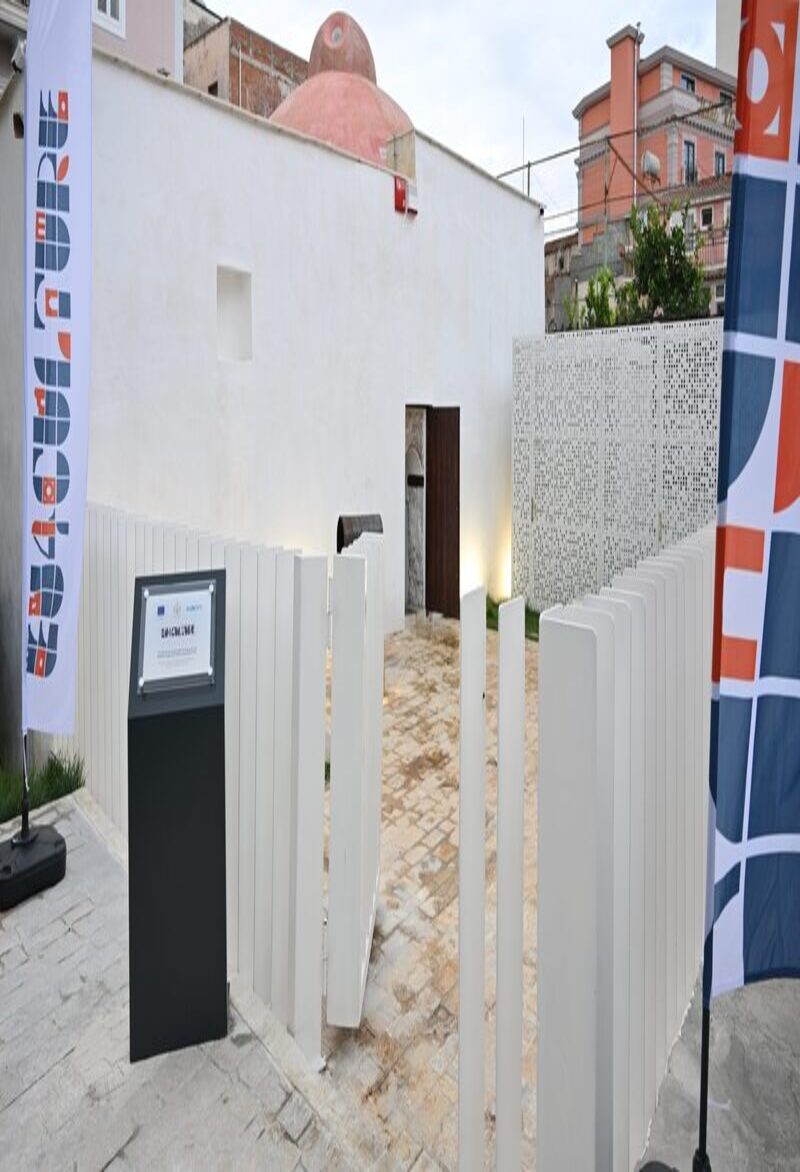
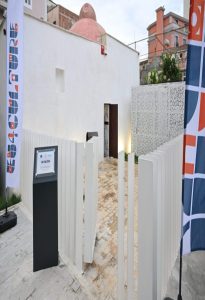
The hammam was an important element of Ottoman culture, reflecting the empire’s philosophy and religion as a symbol of devotion to purity. In Albania, hammams were built from the 16th to the 19th century. The Hammam of Durrës was constructed in the 18th century and is one of ten surviving hammams in the country from the Ottoman period. Located in the southeast corner of the medieval city near Epidamn (Eh-pee-dahm) Boulevard, it sits a few hundred meters from the ancient Roman baths. Although restored in the 1980s, the hammam has not been open to visitors for some time.
The Ottomans established hammams, mosques, and bazaars in every neighborhood of every city throughout their empire. Ottoman architects were meticulous in designing structures that supported the ritual of purity, requiring thorough cleaning before prayer. They merged the structure and function of early Roman baths with the Ottoman steam bath tradition to create the hammams. Interestingly, pools were not a feature of Ottoman hammams, since still water was deemed impure according to Islamic philosophy.
Unlike the Greco-Roman baths — which were public buildings — Ottoman hammams were often extensions of mosques and part of larger complexes functioning as both prayer sites and social centers. The Durrës Hammam, like other Ottoman-style hammams, features a series of rooms that follow a specific sequence.
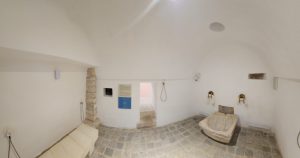
Visitors would first enter the elaborately decorated changing room before proceeding through the cold and warm rooms, ultimately arriving at the hot room. The hot room, used for steam baths and massages, had a large dome with small glass windows that provided soft lighting and allowed the steam to escape, as well as a large heated marble stone used for reclining. The rooms featured domed ceilings intended to evoke the sky. The warm and heated rooms utilized the Roman hypocaust heating system, designed to keep the floors warm. A corridor connected the two rooms, and an alcove with a stool was provided for the tellak (teh-lah-k), or caretaker, to wash the bathers.
In the Ottoman period, hammams played a crucial role in daily life. A devout Muslim citizen was required to bathe in a hammam at least three times a week before prayer. Bathing was divided into two types: ghusl, which involved bathing the entire body, and wudu, which was limited to the face, hands, and feet. While mosques provided areas for partial bathing, nearby hammams were available for those who wanted a full bath.
Hammams were often built to accommodate both genders, with separate schedules for men and women. Women typically had limited access to these public spaces, often only allowed to use them on Thursdays. Nevertheless, hammams played a revolutionary role in women’s social lives, offering them a rare opportunity to socialize in public areas, albeit separated from men. However, by the late 19th and early 20th centuries, the popularity of hammams in cities began to decline, as more affluent individuals began to install private facilities in their homes.