The Roman Baths
Jun 28 2025 - Jun 28 2025
The Roman Baths
Roman thermae were popular social facilities found in all cities of the Roman Empire, offering temperature-controlled rooms, swimming pools, and areas to read and converse. While public baths existed in ancient Egypt and Greece, the Romans established a standardized architecture, culminating in the large imperial thermae of the 1st century A.D. These impressive structures spurred architectural innovation, including the development of domes.
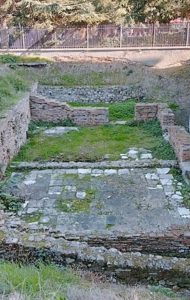
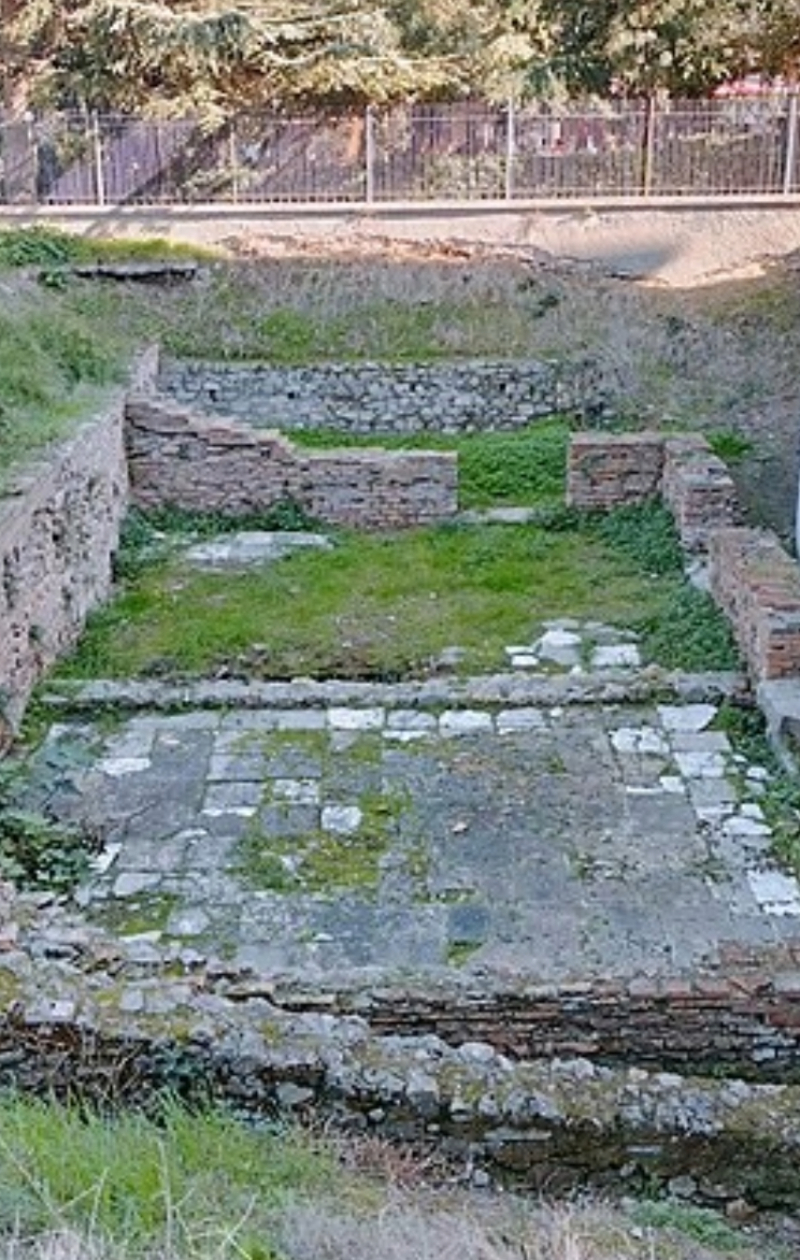
The Roman Baths in Durrës were located in the city center, where they were rediscovered in 1960. Construction of the baths dates back to between the late 1st century and the early 2nd century A.D., and they are thought to have been used until Late Antiquity, 5th–6th century A.D. The Roman Baths in Durrës were probably larger than the 700-square-meter surface that is currently visible, forming part of the ancient city’s gymnasium. Although there have been interventions that caused the loss of some of the original elements and functions of the baths, their highly sophisticated and standardized design allows for a comprehensive image to be reconstructed.
The Roman Baths in Durrës follow the design of other imperial baths, with three main components named after their temperatures and functions: the frigidarium, caldarium, and tepidarium. Visitors enter through the dressing room (apodyterium), followed by the sweat room (caldarium) and the warm room (tepidarium). Afterward, they proceed to the frigidarium, a pool of cold water for a final swim. Bathers often applied moisturizing oils after the ritual.
As a rule, men and women bathed separately, but there were cases of mixed bathing — though very rare and restricted to courtesans. Condemned by most citizens, mixed bathing was ultimately prohibited by the emperors Hadrian and Marcus Aurelius. Traces of the hypocaust can be seen in the Durrës Roman Baths, and the caldarium features a checkerboard floor made of white and navy marble tiles, along with thermo-isolated white tiles covering the walls. The final station of the baths is a pool of cold water, or piscine, located south of the tepidarium.